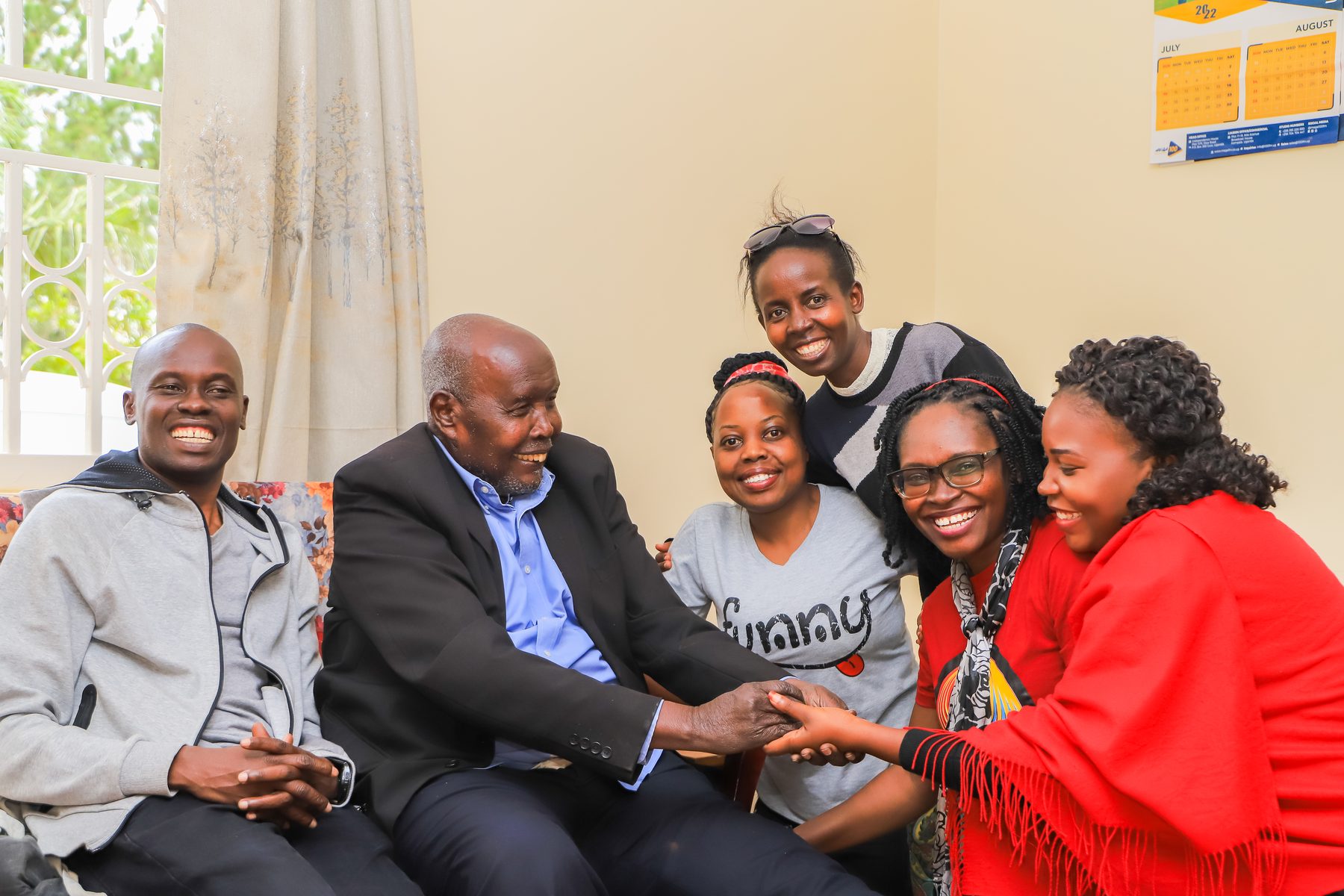
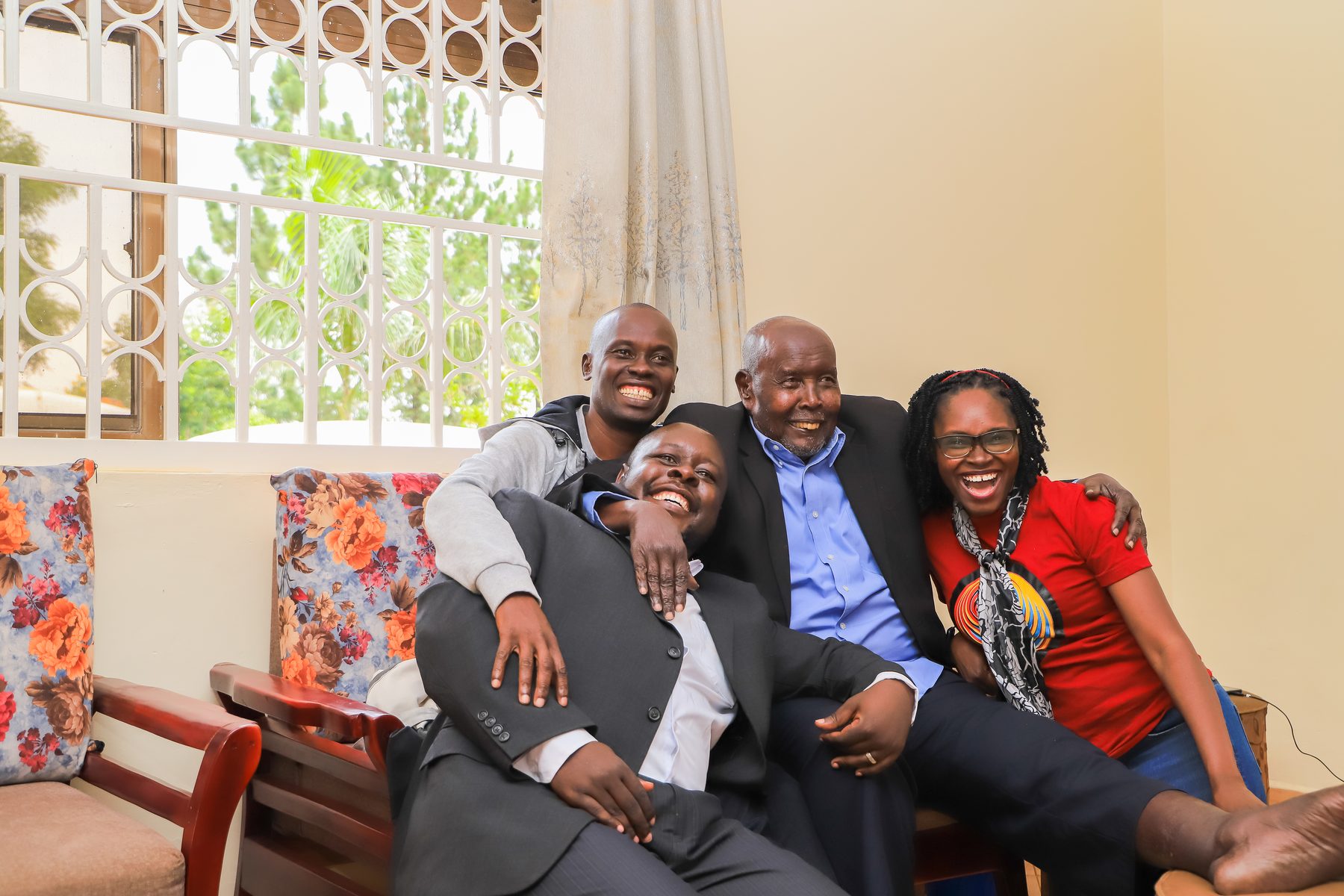
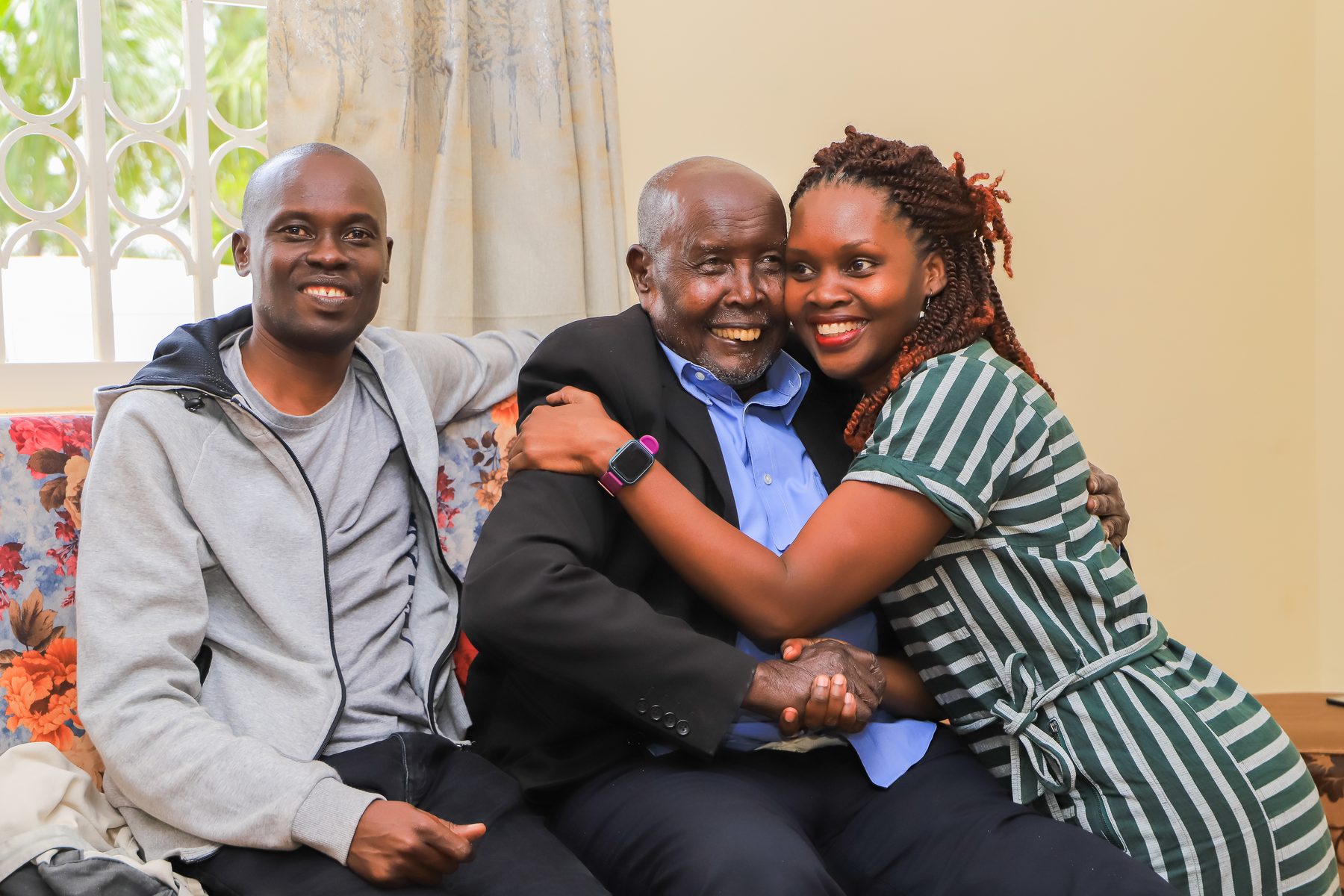
One hundred and nine years. Not one of them got the better of him.
MEMORIAL DATE
14-08-2026
AUGUST 14, 2026 · AT DAWN
A Legend Left Us This Morning.
Most of us knew him simply as BABA — a term of endearment that held a unique, deeply personal meaning for everyone whose life he touched.
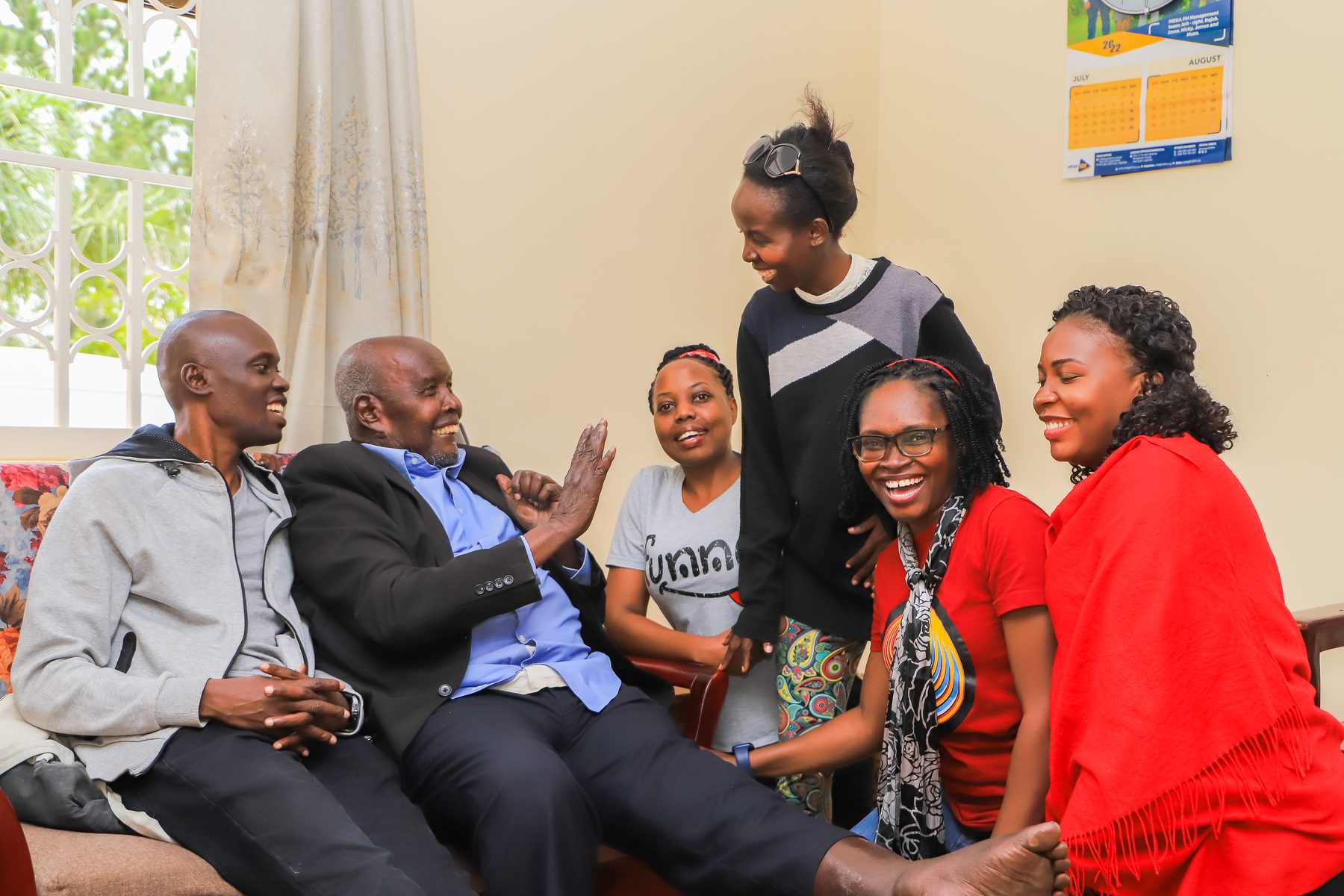
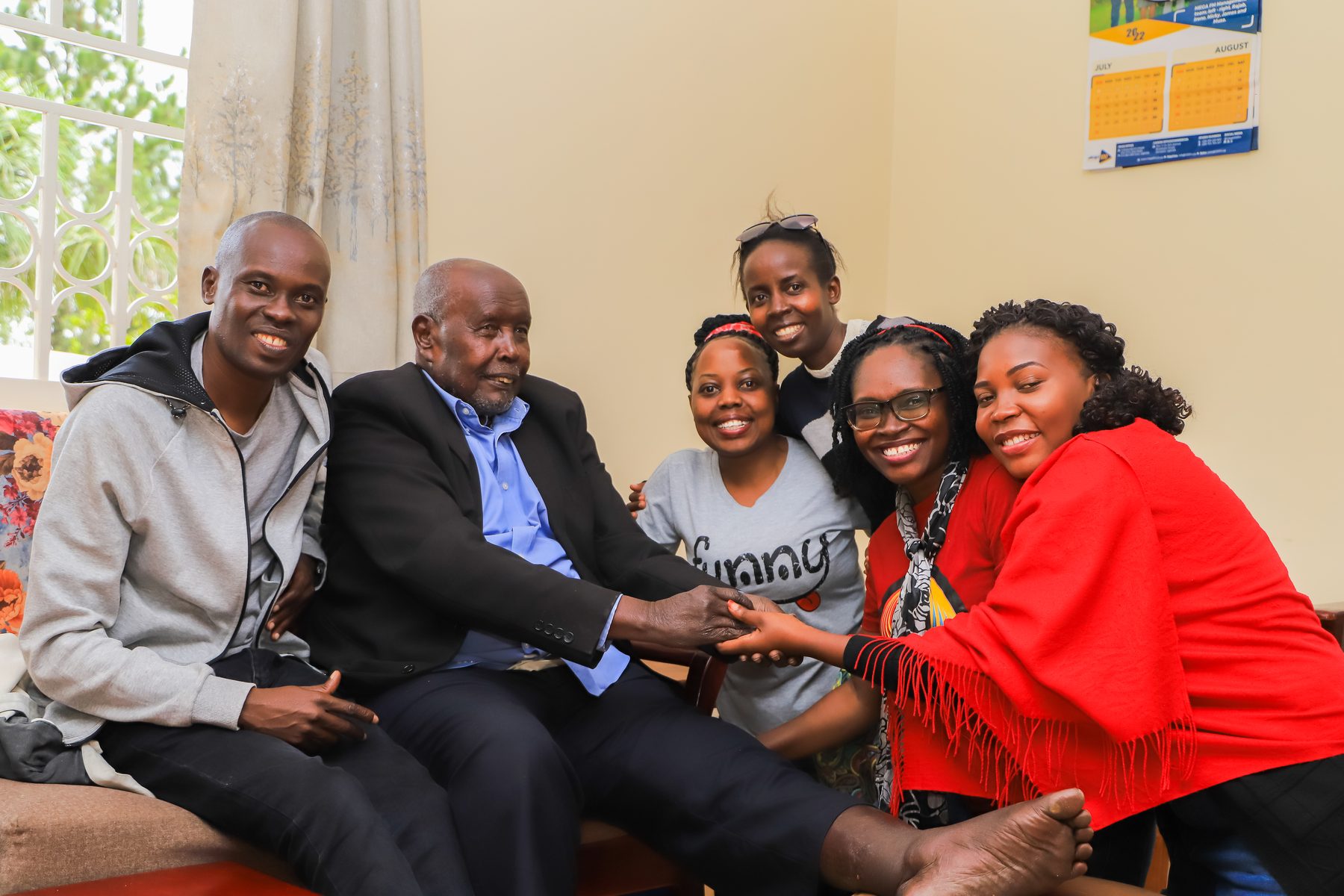
Jaja (Mama Brenda), Aunt Susan (Min Miria), and Aunt Joze (Min Koma) have lost a devoted father. Uncle Dickson has lost his closest friend and confidant. The rest of us have lost a grandfather — and for our youngest generations, a great-great-great-grandfather. Having lived 109 remarkable years, he effectively lived more than one full century and then some. He saw the changes, the wars, the seasons of hunger and survival, and he remained standing through them all.
He filled our lives with joy, steady encouragement, and an infectious zeal to press on. You simply could not meet him and remain unchanged.
Baba, this page is here to celebrate you. We hope it stands as a humble attempt to honor a life so fully lived — and to carry forward the towering standard you set for us all.
He was not merely alive for 109 years. He was present for the world as it changed around him — upright, working, watching, learning, surviving — while the rest of history simply happened to everyone else.
Some men live long. Fewer men live loud enough that the length stops being the point. This is for him.
So long, Baba.
IN HIS OWN LIGHT
Stories From a Legend
A few of the things that made him him.
A SERMON THROUGH ACTION
He preached not through word alone, but through the very fabric of his life.
Ask anyone who spent real time near him and they will tell you the same thing: you could set a life by him. Not because he ever demanded it. Because watching him made you want to.
His discipline was legendary. It did not announce itself. It simply showed up — same standard, same steadiness, every single day — until the people around it started believing steadiness was actually possible. That is rarer than it sounds. Most men talk about discipline. He simply was it.
He preached with his life, not his lips.
Observing him, it was impossible to tell whether his discipline flowed from his Christian faith, or whether his faith was simply the natural home a disciplined soul like his was always going to find. The two were never separate things in him. Belief was not something he kept for Sundays and folded away the rest of the week — it was the frame the whole structure stood on, quiet, load-bearing, never once asking for credit.
A hundred and nine years is a long sermon. He delivered every single one of them on time.
Even now, in death, his life remains a living testament — a quiet, undeniable sermon that will continue to lead people to Christ for generations to come. Some men leave money. Some leave land. He left proof.
He Remembered Everyone
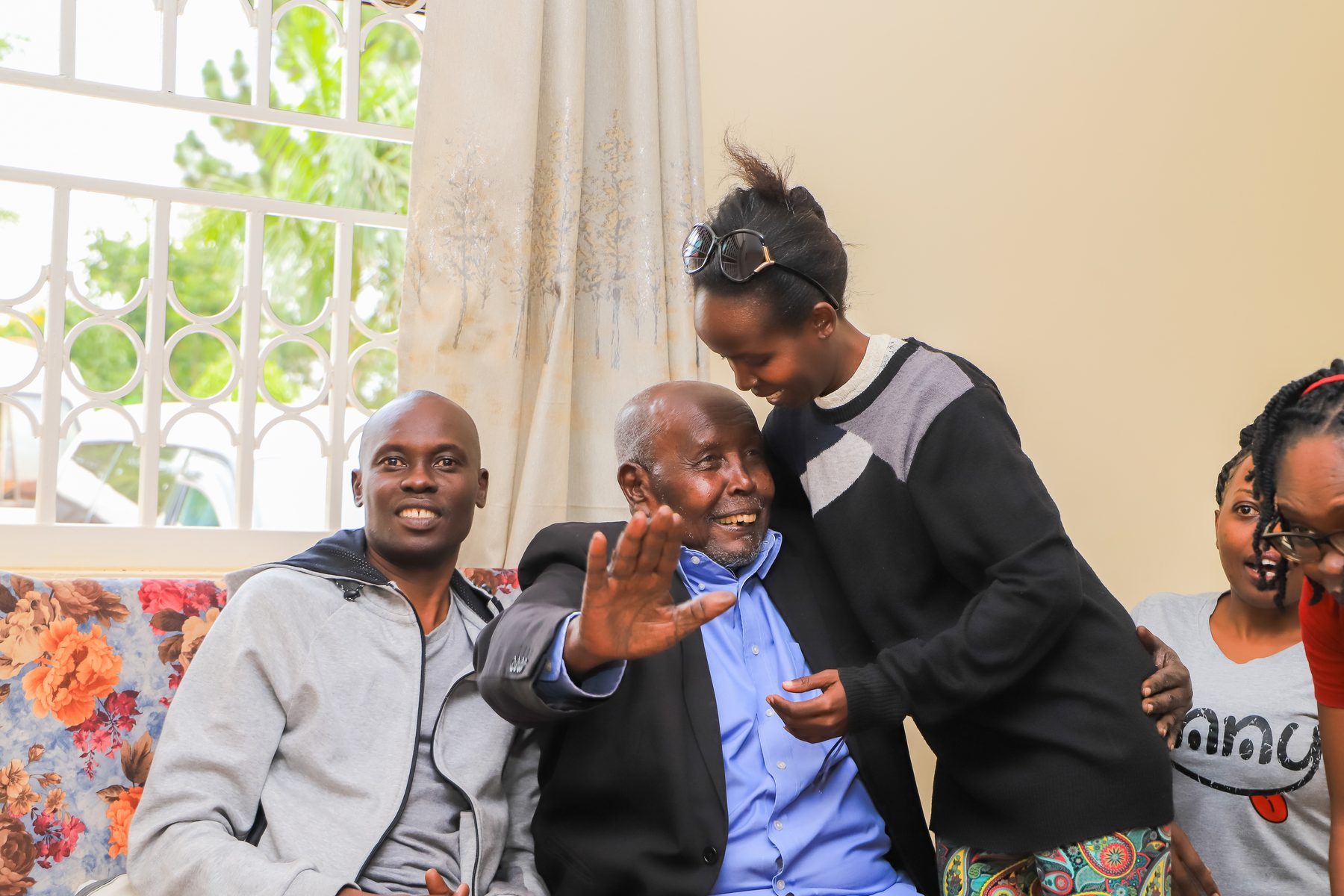
He was a man rooted in love. Not the sentimental kind people perform at funerals because it sounds nice. The working kind — the kind that shows up as attention, as memory, as always knowing exactly who you were to him. No hesitation. No searching for your name. Ever.
He loved his home, and Pajule was always his heart, his anchor, his sanctuary. The world outside did plenty to him across a hundred and nine years — took things, tested things, tried to move him. Pajule never let go, and neither did he. Other men who lived through what he lived through would have been forgiven for wanting somewhere else, somewhere none of it had touched. He never wanted anywhere else. This was his ground. He held it.
He never forgot a single one of us.
Even as the years piled up to an extraordinary 109, his mind stayed sharp and his heart stayed vast — vast enough to hold every one of us inside it at once. Every child. Every grandchild. Every name. Every bond. In a family this size, across this many decades, that is not memory doing its ordinary job. That is devotion, dressed up as memory, doing something much harder.
The Only Things That Broke His Calm
To know him was to know exactly where he stood. No guessing. No reading between lines. He was a man of plain, settled conviction, and that settledness was most of what made him so calming to be near. Almost nothing could shake it.
Almost nothing. Two things could.
The first was his own body, on the rare occasions it betrayed him. Illness didn't just hurt him — it seemed to insult him, some deeper offense than pain alone. A kind of unwanted indiscipline, forced on a man who had spent over a century answering to nothing but his own will. He never learned how to be at the mercy of anything. Least of all himself.
He loved us too much to lower the bar.
The second was any lack of discipline in his children or grandchildren. Here too, the standard never moved — not once, not for anyone. He held himself to the highest bar there was, every day, for over a hundred years. And he loved us too much to expect anything less from us. That is not a contradiction. That is exactly what real love from a man like him looks like. It does not lower the bar to make you comfortable. It holds the bar exactly where it always was, and trusts you to reach it.
The Soldier Who Came Home
Before he became the Baba everyone knew, he was a young man asked to carry a rifle into a war he had not started. The uniform gave him a duty, but it could not take away the quiet intelligence with which he watched the world.
He came home from the King's African Rifles with more than memories. He came home with the kind of composure that only hardship can teach: measure the danger, protect the people beside you, and keep moving when fear says stop.
He survived the war, then spent the rest of his life building peace.
Pajule Was Always Home
For Baba, home was not just an address. It was the ground beneath the family, the place where names were remembered and where a person could return after the world had taken its turn testing them.
Pajule held the beginning of his story and the soil that received him at the end. Between those two points, he kept choosing the same place, the same people, and the same responsibility. He made staying look like strength.
He did not need the world to be bigger. He made home deep enough.
The Standard He Left Us
His legacy is not only in the photographs or the stories we tell about his age. It is in the invisible instructions he gave us: show up, keep your word, respect the work, and do not make a habit of quitting.
He loved people fiercely enough to expect their best. That expectation was never meant to crush us. It was his way of saying that he could already see more in us than we could see in ourselves.
The bar is high because Baba stood there first.
Baba showed us how to walk, how to believe, and how to live.
That was not just a celebration. That was the day the whole family saw, in one breath, what Baba had built.
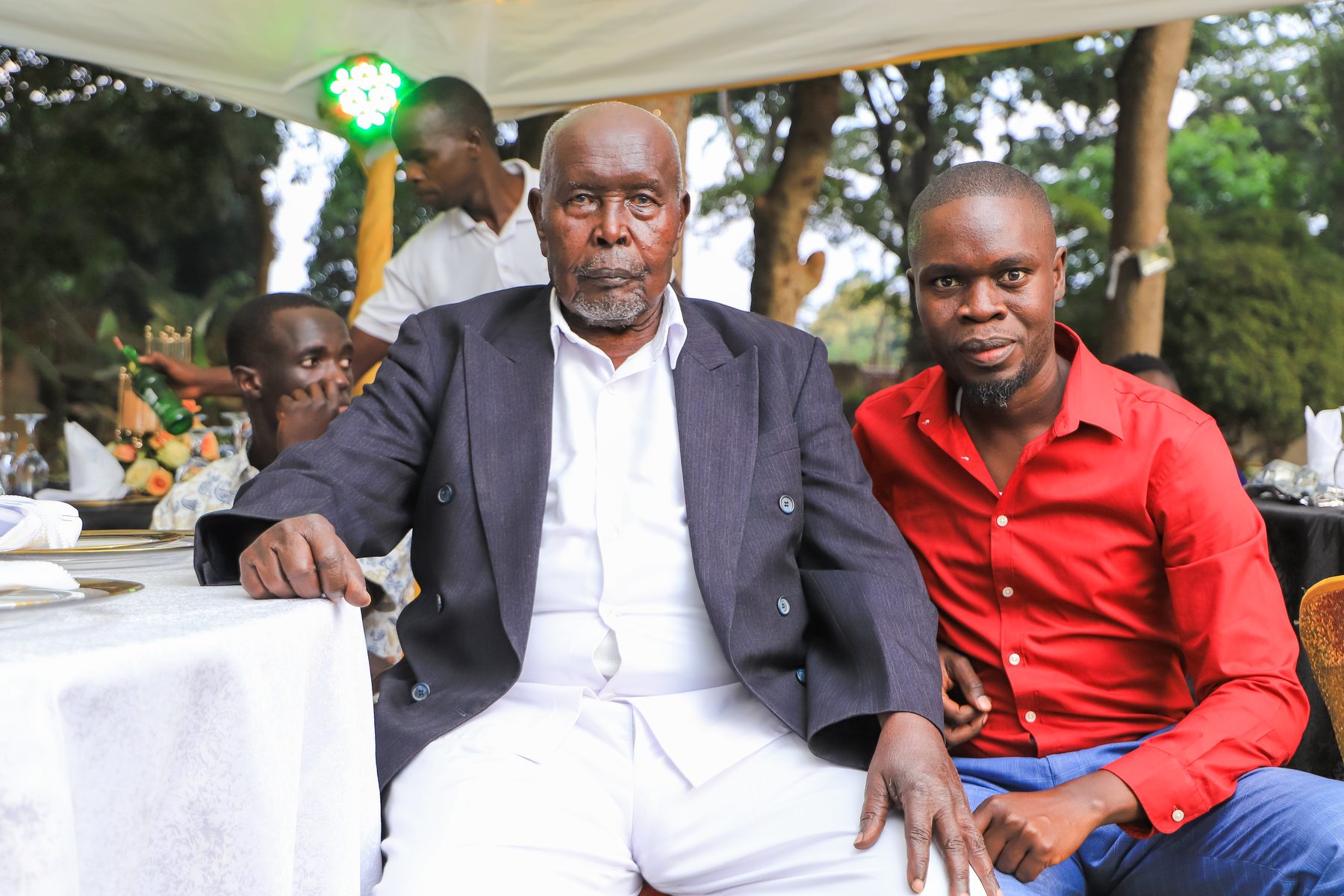
When his daughter marked fifty years of marriage, Baba was there. He was there in the way only he could be there — steady, proud, full of quiet joy, and somehow making the entire room feel as though it was standing in the long shadow of something sacred. This was not a man attending a family event. This was a patriarch watching the fruit of his labours bloom before his eyes. The years had not worn him down. They had only sharpened the meaning of his presence.
The anniversary was not only about marriage, love, and a golden milestone. It was a visible proof that Baba had done what real fathers do: he had built a home that could survive time. He had raised a daughter, held a family together, and lived long enough to see the legacy continue not in a vague promise, but in a living, breathing celebration. Fifty years of marriage is not just a number; it is a story of faithfulness, sacrifice, endurance, and the kind of love that survives storms. And there was Baba, standing in the middle of that story, as if to say: this is what I built.
That is the thing that makes this sadness so heavy and this legacy so beautiful. He did not simply survive the century. He planted life in it. He watched children grow, grandchildren grow, and then watched a generation stand strong enough to celebrate a half-century of devotion. He saw the family become a table that many could sit around. He saw the roots go deep. He saw what endurance looks like when it is not just personal, but inherited.
A man who made a house feel permanentThe quiet pride of a patriarch
“When a man has built a home that still gathers in love after fifty years, he has done more than live. He has left a kingdom.”
Gershom Obwoya
That was the day the family saw the real measure of his life.
Our Baba had already lived through war, hunger, and the brutal test of time. He had seen a country change, a world transform, and kingdoms come and go. But what mattered most to him, what gave his life its deepest warmth, was this: the family he raised still standing, still loving, still gathered, still grateful. The golden anniversary was not the end of his story. It was one of the clearest proof points that his story had endured.
When he stood there for that celebration, he was not just looking at a happy day. He was looking at a living inheritance. He was seeing the fruit of a life that had been disciplined, faithful, and unshaken. He was watching love pass from one generation into the next and knowing he had been part of the hand that carried it forward. That is why this loss hurts so much. Because the family still needs his presence. Because the house still feels the shape of him. Because the story was never meant to stop here.
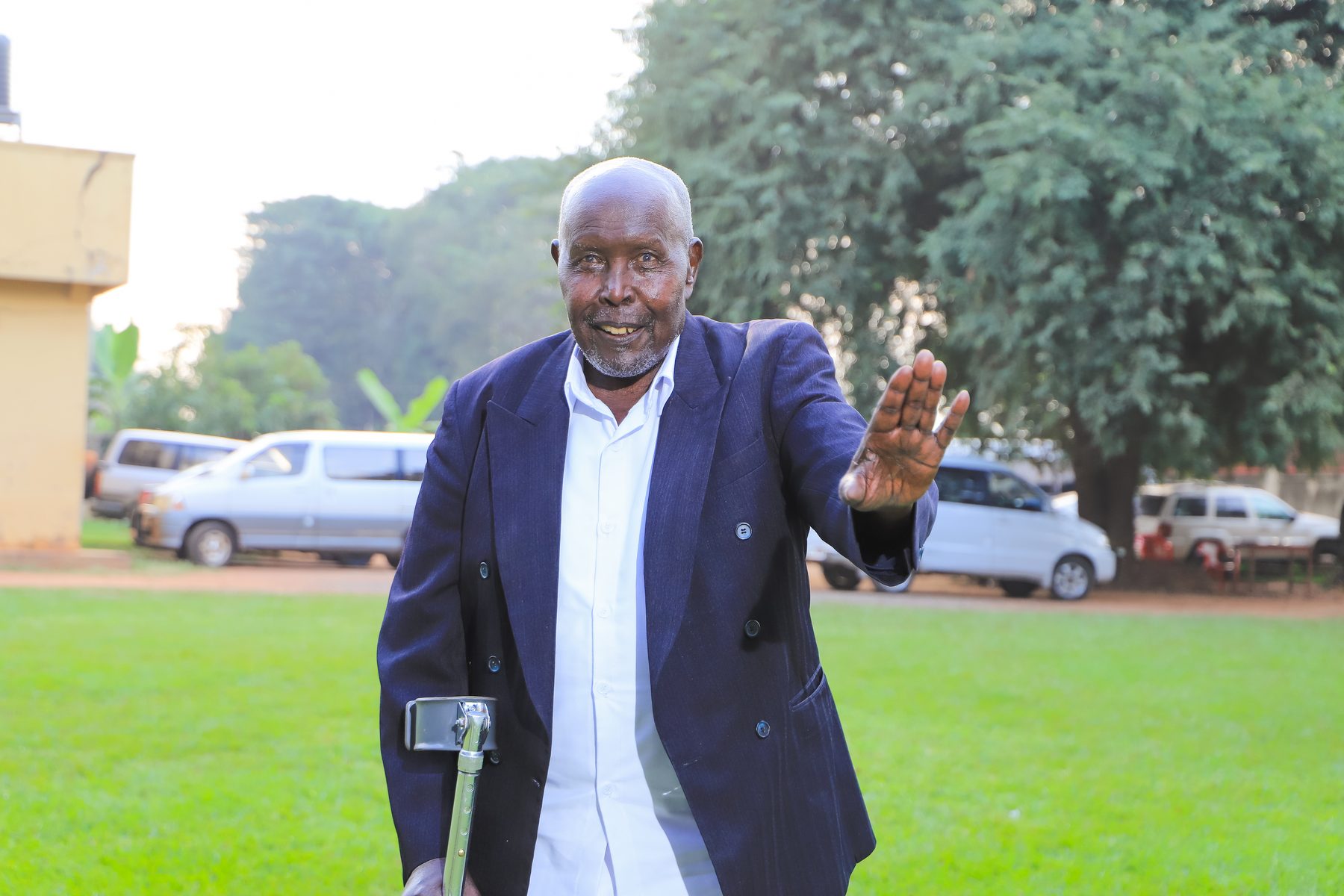
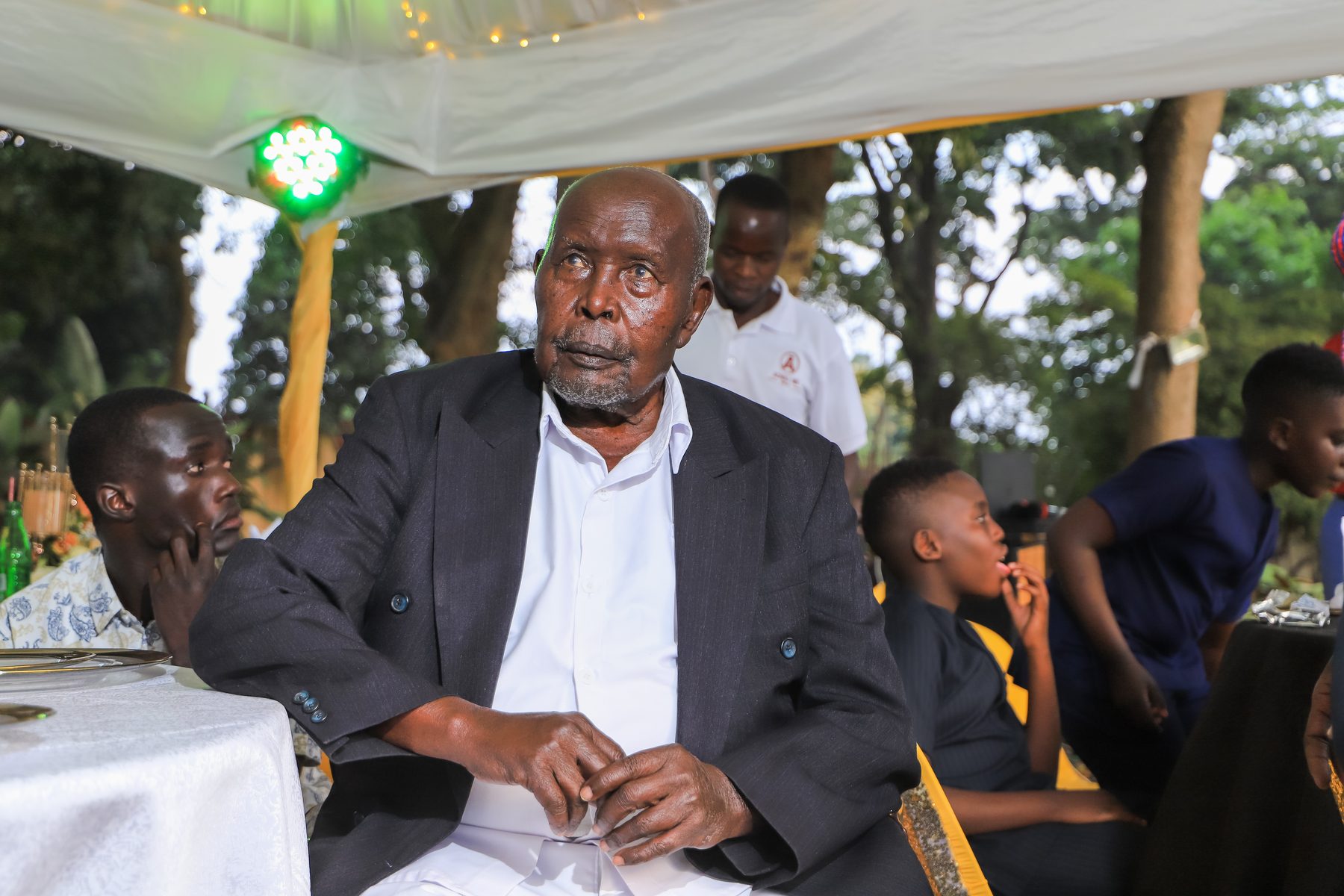
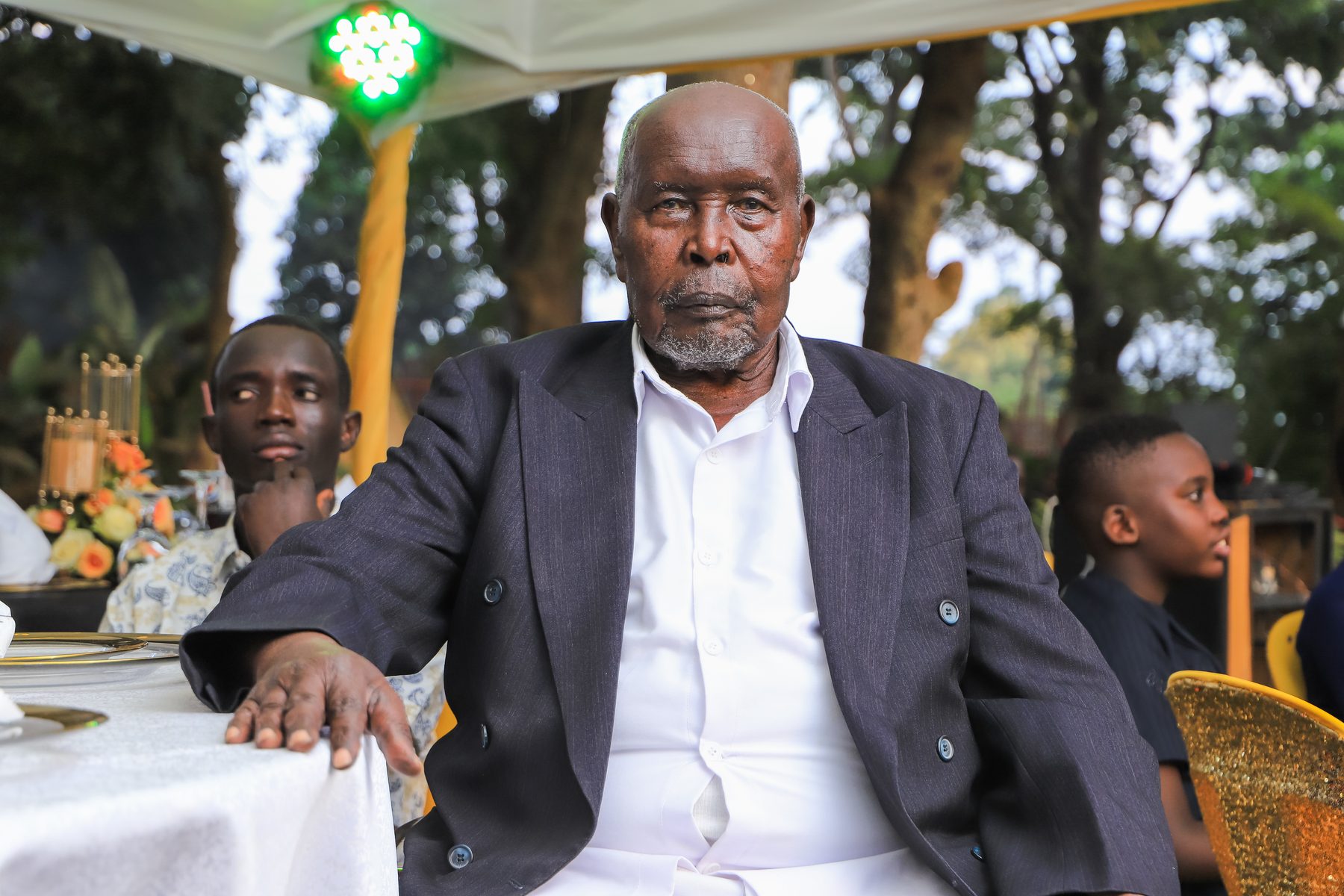
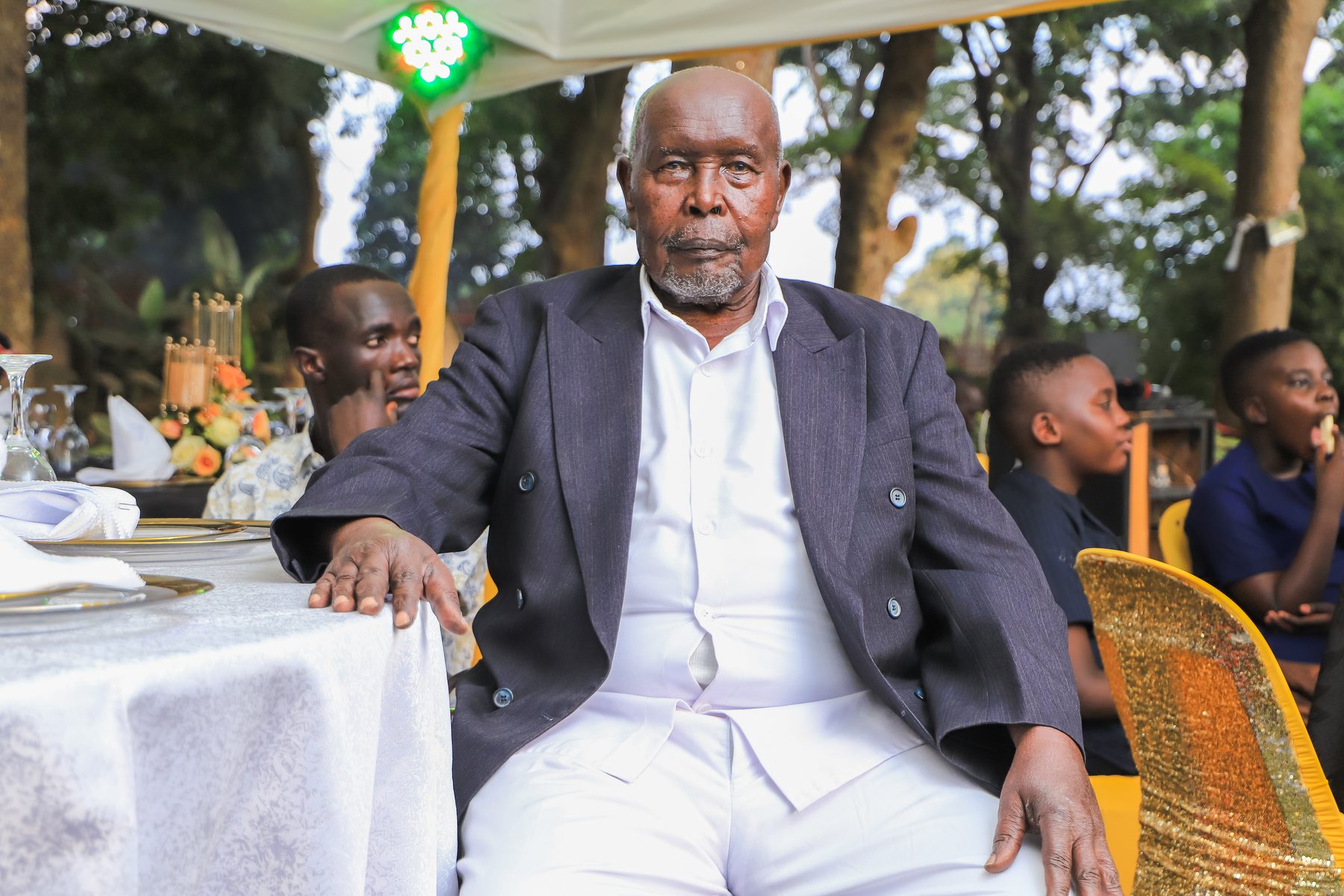
The man who held the centre togetherA face that carried the weight of years with graceThe kind of presence that outlived the room
No photograph can hold the full weight of a man like Baba, but some moments come close. This was one of them. A daughter celebrating fifty years of sacred love, with her father standing right there, not as a spectator but as the frame that held the whole picture together. Not every man gets to see his life reflected so clearly in the faces around him. Baba did. And because he did, he left not just children and grandchildren, but a living trail of gratitude and continuity.
Memory kept alive in facesThe quiet strength behind the celebrationWhat a life leaves behind
He built a home that could outlast the years. And that is why his name will still be called with love long after the mourners go home.
Born in Pajule, in a Uganda still shaped by colonial rule and the long shadows of the First World War. He entered the world just as the world was trying to find its footing again. He would grow up in a century of pressure, war, hunger, and change — and somehow, he became one of the few men who could look all of it in the eye without breaking.
THE 1930s — LEAN YEARS
A Depression That Reached Even Here
A global collapse that never once asked Pajule's permission to reach it. He grew up hungry in years when most of the world did. He grew up anyway.
1939–1945
A War That Was Never His
When the Second World War came, it came for him too. A young man from Pader was put into the uniform of the King's African Rifles and sent to fight — for an empire that would not have let him vote in it — somewhere between the highlands of Abyssinia and the jungles of Burma. He carried a rifle he did not choose, into a war he did not start. And he came home with the kind of experience that hardens a man without making him cruel.
AND HE STOOD UP
1962
A Flag of His Own
Uganda's flag went up for the first time. He was forty-five years old — and for the first time in his life, the country he had already bled for finally belonged to him too.
THE 1970s — THE TERROR
Years When a Birthplace Was a Death Sentence
Idi Amin's years. Years when being Acholi, being from the north, being from Pader, was reason enough to disappear. Neighbours did. He did not.
AND HE STOOD UP
1986–2006
The War That Came to His Own Door
Two more decades of war — and this time it did not stay on a map far away. The Lord's Resistance Army turned his home into a front line and turned a generation of northern Uganda's children into its weapons. He was already an old man by then, holding a family together in a place with every reason to fall apart. It did not.
AND HE STOOD UP
2020
A Different Kind of Enemy
A virus shut down the planet. He was one hundred and three years old. By then he had already outlived worse than a thing too small to see.
AUGUST 2026 — DAWN
One Hundred and Nine Years Old
In the same soil he was born into, surrounded by the family his own life built, he went at dawn — the one hour that has never, in the history of the world, failed to arrive. Just like him.
WHAT HE LEFT RUNNING
The Bar
You do not reach 109 by accident. You reach it by refusing, over and over, for eleven decades, to stay down.
Colonial rule did not break him. A war that was never his did not break him. A dictator hunting his own people did not break him. An army of stolen children marching through his own village did not break him. He simply kept going — kept farming, kept fathering, kept fixing what was broken and building what wasn't there yet — until "kept going" was the only description anyone needed for him.
That is the bar now. Not the number. The number is only proof. The bar is what the number cost him, and what he did with it anyway.
We are what's left running. Every one of us is carrying a piece of that engine now. So when it's our turn to take the hit — and it will be our turn — we already know exactly what to do.
STAND UP.
CARRY HIS STORY WITH YOU
Scan to Remember Him
Point a phone camera at this. It opens straight to this page — share it, save it, come back whenever you need to.
Gershom Obwoya · 1917–2026
Gershom Obwoya
1917 – 2026
PAJULE · PADER · UGANDA
Rest now, Baba. You already did the hard part.
WITH GRATITUDE
To everyone who stood with the family
We have made a living thank-you magazine for the friends, family, churches, ministries, and institutions who carried us with love and support.